Showing posts with label health. Show all posts

Saturday, 5 December 2020

Does Coffee Expire?

Everyone likes their coffee a different way, and odds are you have your preferred method of brewing, not to mention your preferred source for beans. But no matter where you get your beans, odds are you’ll find a roasting date on the bag, and maybe even an expiry date. But does coffee really expire? The team here at Delevu thought we’d dig into our impressive collection of content to find you an answer.

So does coffee really expire? Not exactly, but its age will definitely affect its flavor profile. Coffee brewed many months after it’s been roasted will lose a lot of the flavor and complexity that may have made it your favorite, but that doesn’t mean it’s “gone bad.” That said, coffee shouldn’t be brewed too early either. Coffee that’s brewed too close to when it’s roasted could still contain CO2 and other chemicals from the roasting process, which could negatively impact the flavor.

So how do companies determine the “best before” dates? Here’s what Klaus Thomsen, co-owner of Danish roaster Coffee Collective had to say in an interview with Sprudge:

“When we started the company we did a series of experiments because we wanted to see what is freshness and how does it affect the actual quality of the cup,” says Thomsen. “We would store samples and take them out over time, and we were really interested in ‘what is the peak window of the coffee and how does it change?' We figured out that the degassing really does happen over quite a long time. It's very rapid in the beginning and then it slows down,” he continued. “We felt like for filter coffees it was best if we waited about a week, it would really peak, and we found that we actually had a really long window—you could wait two months and it would still taste fantastic,” says Thomsen. “After that you could still lose freshness, but if you ground fresh, we found that it's really nice up to about three months. After three months you are starting to lose quite a lot of freshness of flavor, so we didn't want retailers to have the bag and sell it on.”

Looking to keep up to date with the latest in trending content? Visit our online library at Delevu for a wide variety of ebooks, audiobooks, music, and more. Accessible anytime, anywhere, from your favorite devices.

Tuesday, 3 March 2020

What to Do When You’ve Had Too Much Coffee

It’s one of the most popular drinks around the world, and people everywhere just can’t get enough of it: Coffee. Maybe you can’t start your day without it, or you need an afternoon pick-me-up, or perhaps it’s your after-dinner treat with dessert. Whenever you drink it, at one point or another you may notice that you’ve had just a bit too much, and when that perkiness turns into jitters, here’s what to do:


Wait it out. It may seem a bit helpless, but the best thing you can do when you’ve consumed too much coffee is to try to stay calm and wait it out. Caffeine has a half life of about six hours, so that strong cup of coffee you made yourself as 6 am will still have some effect at noon, and won’t completely leave your system until 6pm. With this in mind, you can ease the panic knowing that the caffeine is still in your system and its long lasting effects are perfectly normal.


East something. Although it can’t do much to tame the effects the caffeine is already having on your system, eating something can certainly help the symptoms from getting any worse. Caffeine is fully absorbed once it reaches the small intestine by way of the stomach, but if your stomach is empty it won’t have a very long trip ahead. If you’re feeling jittery after having that first cup on an empty stomach, make sure to have breakfast or an early lunch immediately thereafter.


Looking for the latest in trending content? Visit our online library at www.delevu.com for a wide variety of ebooks, audiobooks, music, and more. Accessible anytime, anywhere, from your favorite devices.

Monday, 17 February 2020

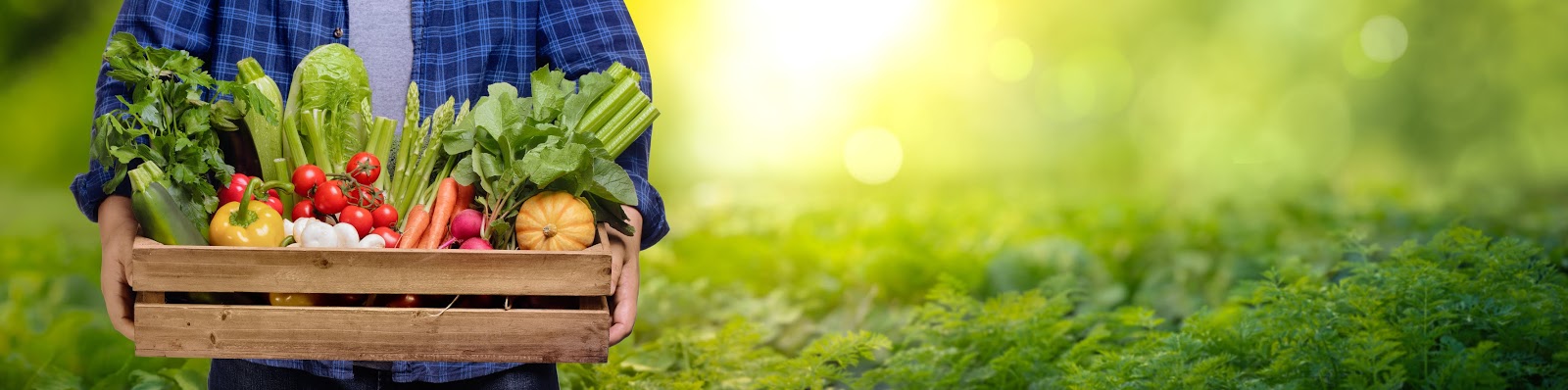
The Controversial Reasons Why You Shouldn’t Buy Organic

It’s hip, it’s trendy, but it’s not necessarily better for you or better for the environment, and it’s certainly not better for your bank account! Buying Organic produce has long been touted as the better alternative, but a closer look at the facts may just prove otherwise:


You’re paying more than you should. Organic produce should certainly demand a premium given increased production costs, but whereas a study in the Proceedings of the National Academy of Sciences found that the cost of producing organic would require a 5-7% markup, on average, the markup on organic produce in stores is 29-32%.


Organic is no better for the environment. Thinking you’ll save the planet by buying organic? Think again. A 2010 study conducted by the University of Guelph found that some organic pesticides can actually have a worse environmental impacts than conventional ones. Additionally, most organic growing is done by large scale commercial growers who still emit plenty of greenhouse gases thanks to the machinery they use.


We’re not consuming enough pesticides for them to be a threat. A recent analysis in the Journal of Toxicology found that the levels of pesticides detected in the “Dirty Dozen” - a name given to the 12 fruits and vegetables that typically contain the most pesticides, all fell below the acceptable limit set by the Environmental Protection Agency. We’re not talking just below the limit here, we’re talking 1,000-or 30,000-fold under the legal limit in many cases.

Looking for the latest in trending content? Visit our online library at www.delevu.com for a wide variety of ebooks, audiobooks, music, and more. Accessible anytime, anywhere, from your favorite devices.